
How to Navigate the Business Incorporation Process: Tips from Top Experts
Understanding Business Incorporation
Incorporating a business can seem daunting, but it is a crucial step for many entrepreneurs. By understanding the process, you can navigate it with confidence. Incorporation provides legal protection, tax advantages, and increased credibility. Here are some expert tips to help you get started.
Choosing the Right Business Structure
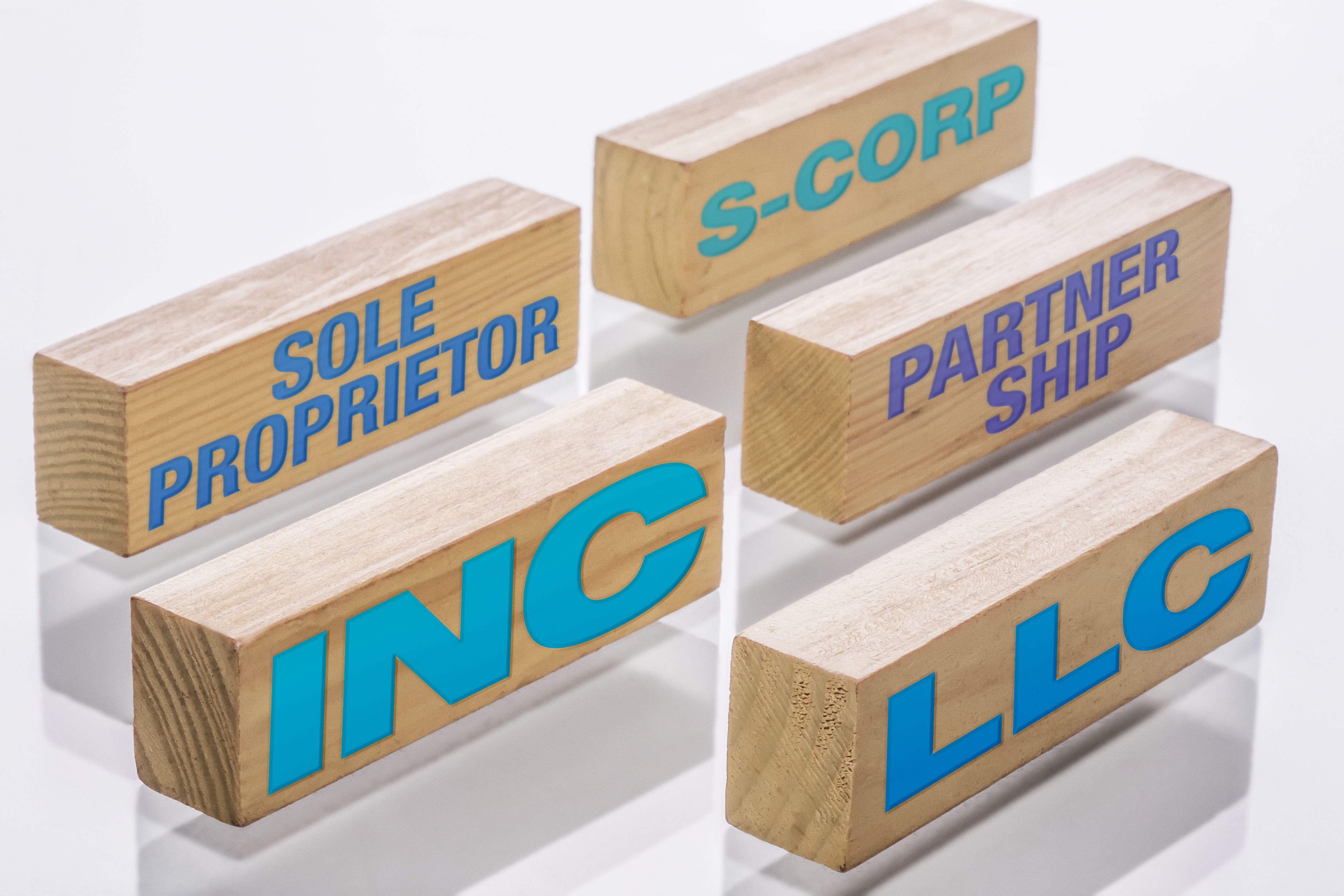
One of the first decisions you'll need to make is selecting the appropriate business structure. The most common types are sole proprietorship, partnership, limited liability company (LLC), and corporation. Each structure has unique benefits and drawbacks. Consider factors like liability, taxation, and management structure when making your choice.
Consulting with a business attorney or accountant can be invaluable in this decision. They can provide insights into which structure aligns best with your business goals and needs.
Filing the Necessary Paperwork
Once you've selected a structure, you'll need to file the necessary paperwork with your state. This usually involves submitting articles of incorporation or organization. The requirements can vary by state, so it's essential to research what's needed in your location. Pay attention to deadlines and fees to avoid delays.

Creating Corporate Bylaws
If you're incorporating as a corporation, drafting corporate bylaws is a critical step. These rules govern how your corporation will operate and outline the responsibilities of directors, officers, and shareholders. Having clear bylaws helps prevent future disputes and ensures smooth operations.
Bylaws do not need to be filed with the state, but they should be kept on record and reviewed regularly as your business grows and changes.
Obtaining an Employer Identification Number (EIN)
An Employer Identification Number (EIN) is essential for tax purposes. It's like a Social Security number for your business. You can apply for an EIN online through the IRS website. This number will be used for filing taxes, opening bank accounts, and hiring employees.

Complying with Ongoing Requirements
Incorporation is not a one-time task. There are ongoing requirements to maintain your business's good standing. These can include filing annual reports, paying business taxes, and holding regular meetings. Failing to comply with these requirements can lead to penalties or even dissolution of your business.
Stay organized and set reminders for important deadlines to ensure compliance with all state and federal regulations.
Seeking Professional Guidance
While it's possible to incorporate on your own, many business owners find value in seeking professional guidance. Legal and financial experts can provide tailored advice and help you avoid common pitfalls in the incorporation process. Their expertise can be instrumental in setting your business up for success.

By following these expert tips and understanding the key steps involved, you can confidently navigate the business incorporation process. Incorporation can be a complex journey, but with the right knowledge and support, you can establish a strong foundation for your business's future growth.